
Electrical Fire Prevention: 5 Maintenance Steps You Can’t Skip
Ruhrpumpen’s Safety Tip
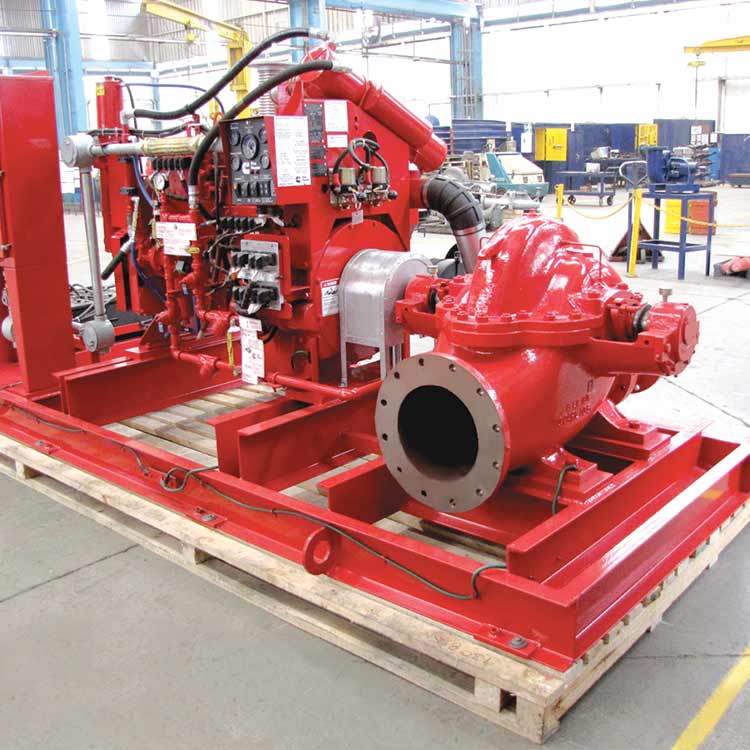
In industrial environments, the reliability of firefighting systems isn’t just a compliance requirement—it’s a critical safeguard for people, equipment, and operations. At the heart of these systems are fire pumps, whose performance during an emergency can determine how effectively a fire is contained or extinguished. But ensuring that these pumps operate flawlessly isn’t a one‑time task—it requires consistent attention to electrical integrity, backup power readiness, and environmental conditions that affect equipment performance.
In this post, we highlight essential safety checks every facility should incorporate into its fire pump maintenance program. From testing automatic transfer switches under real load conditions to combating hidden moisture inside controller enclosures, these steps help ensure your fire pump is ready when it matters most. We’ll also cover voltage stability considerations in heavy‑demand environments, the importance of exercising backup generators, and why proper grounding and bonding are non‑negotiable for safe, reliable fire pump operation.
Let’s dive into the key practices that keep your fire protection infrastructure resilient and emergency‑ready.
1. Test Automatic Transfer Switches Under Load
Industrial facilities with electric fire pumps must verify automatic transfer switches (ATS) operate seamlessly during power loss. Conduct functional testing to ensure the fire pump transfers to emergency power without delay.
2. Inspect Controller Enclosures for Condensation
Temperature fluctuations can create moisture inside control panels. Condensation can corrode terminals and cause electrical faults, so inspect and address humidity control measures.
3. Review Voltage Stability
Heavy industrial equipment can create voltage drops or fluctuations. Coordinate with electrical teams to confirm fire pump feeders maintain stable voltage under peak plant demand.
4. Exercise Backup Generators
Where generators supply fire pumps, perform routine load tests to confirm readiness. Fuel supply, cooling systems, and start sequences must be verified regularly.
5. Confirm Proper Grounding and Bonding
Loose or corroded grounding connections can compromise safety and equipment protection. Inspect and tighten all grounding conductors serving pump controllers and motors.
Keeping fire pump systems in peak condition isn’t just a maintenance task—it’s a critical investment in operational safety and resilience. By routinely testing transfer switches, monitoring environmental conditions inside control panels, verifying voltage stability, exercising backup generators, and ensuring all grounding and bonding connections are solid, facilities can significantly reduce the risk of failure during an emergency.
Reliable fire protection starts long before an alarm sounds. With consistent attention and a proactive maintenance program, your fire pump system will be ready to perform when lives, assets, and business continuity depend on it.