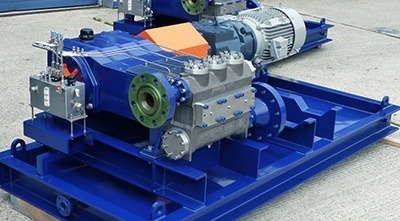
Ruhrpumpen's Spotlight
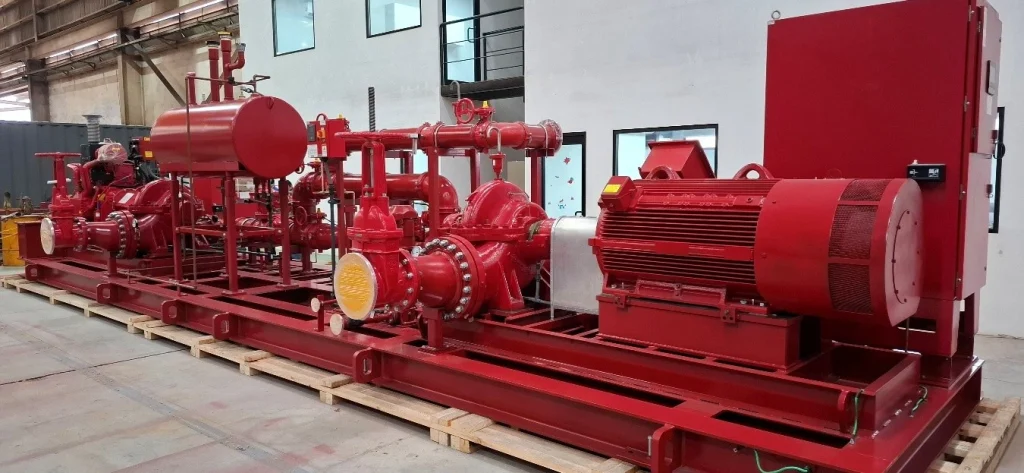
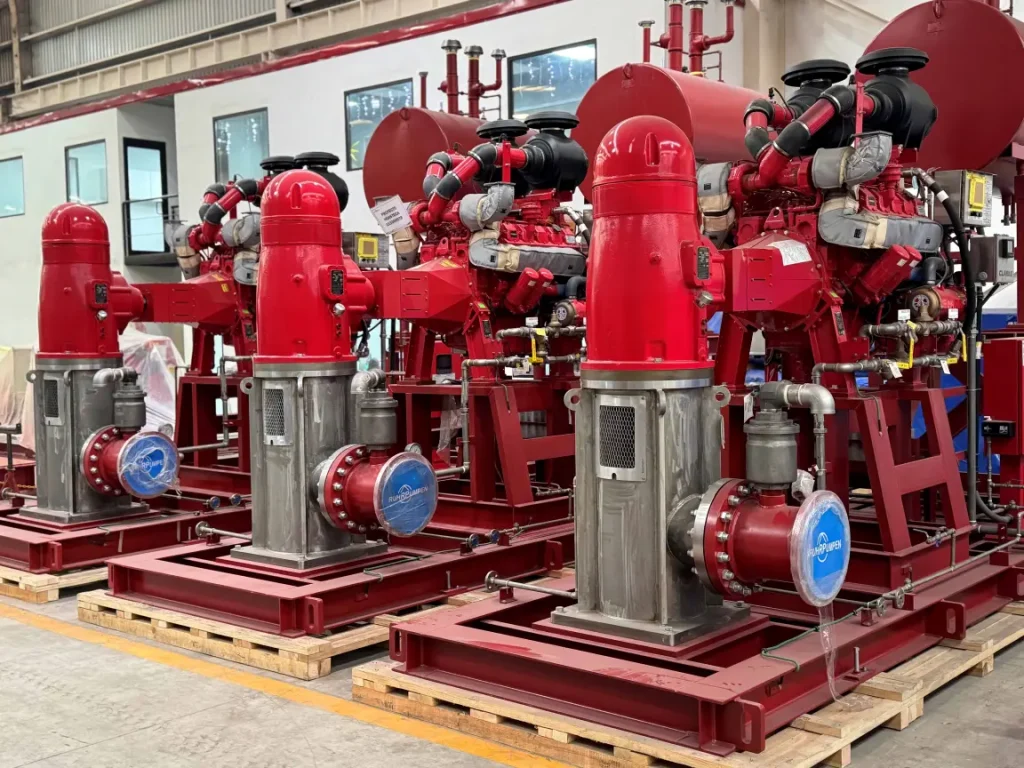
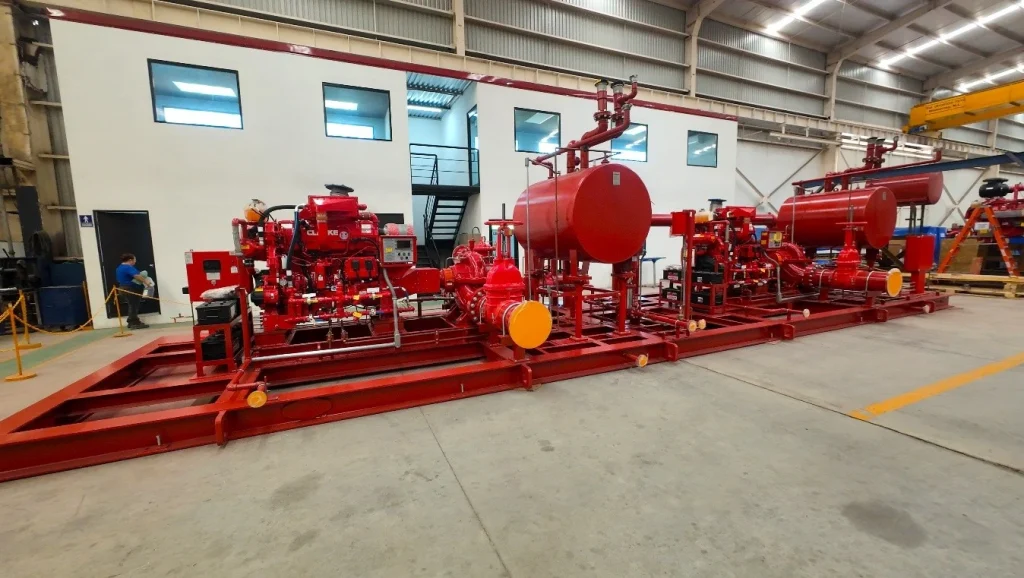
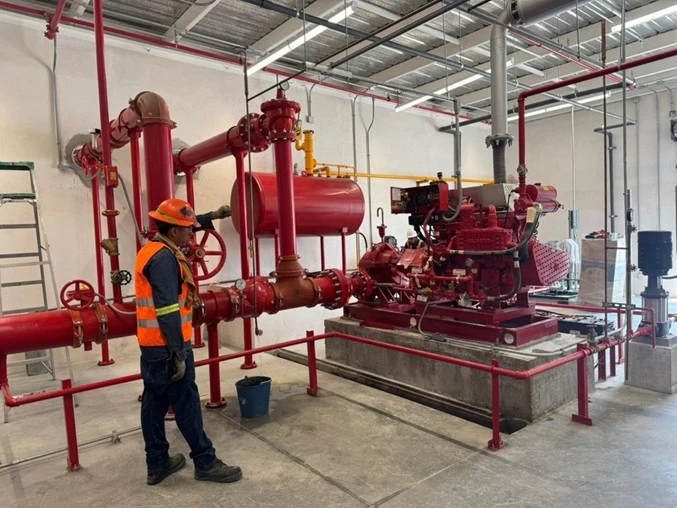
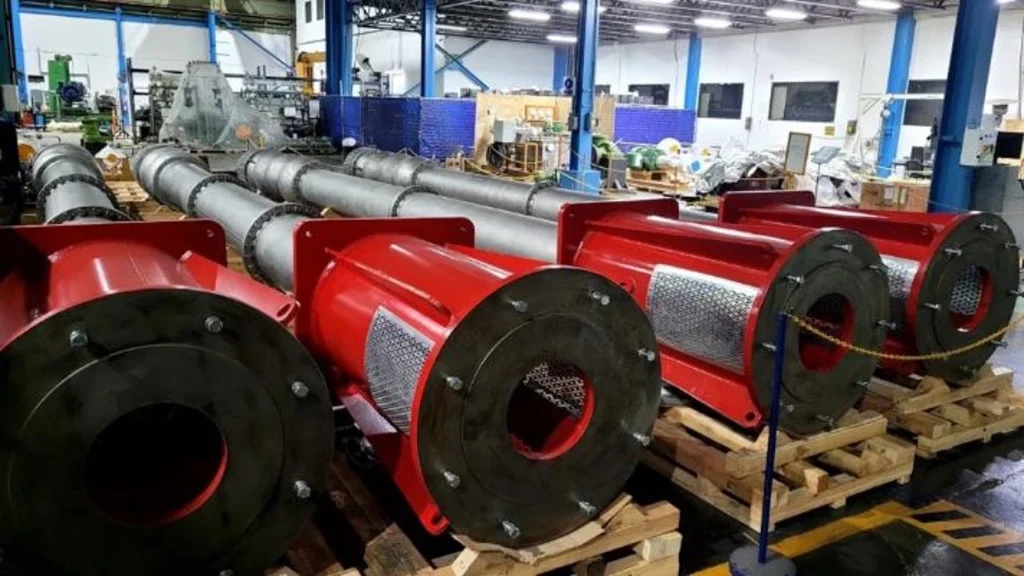
As part of its commitment to delivering reliable fire protection solutions for critical infrastructure, Ruhrpumpen’s Fire Systems Division recently completed the supply of a fully engineered, prepackaged fire pump system for a major industrial gases and chemicals facility in Edmonton, Canada. This project highlights our ability to meet demanding performance, safety, and compliance standards for world-class operations.

Engineered for High Demand Applications
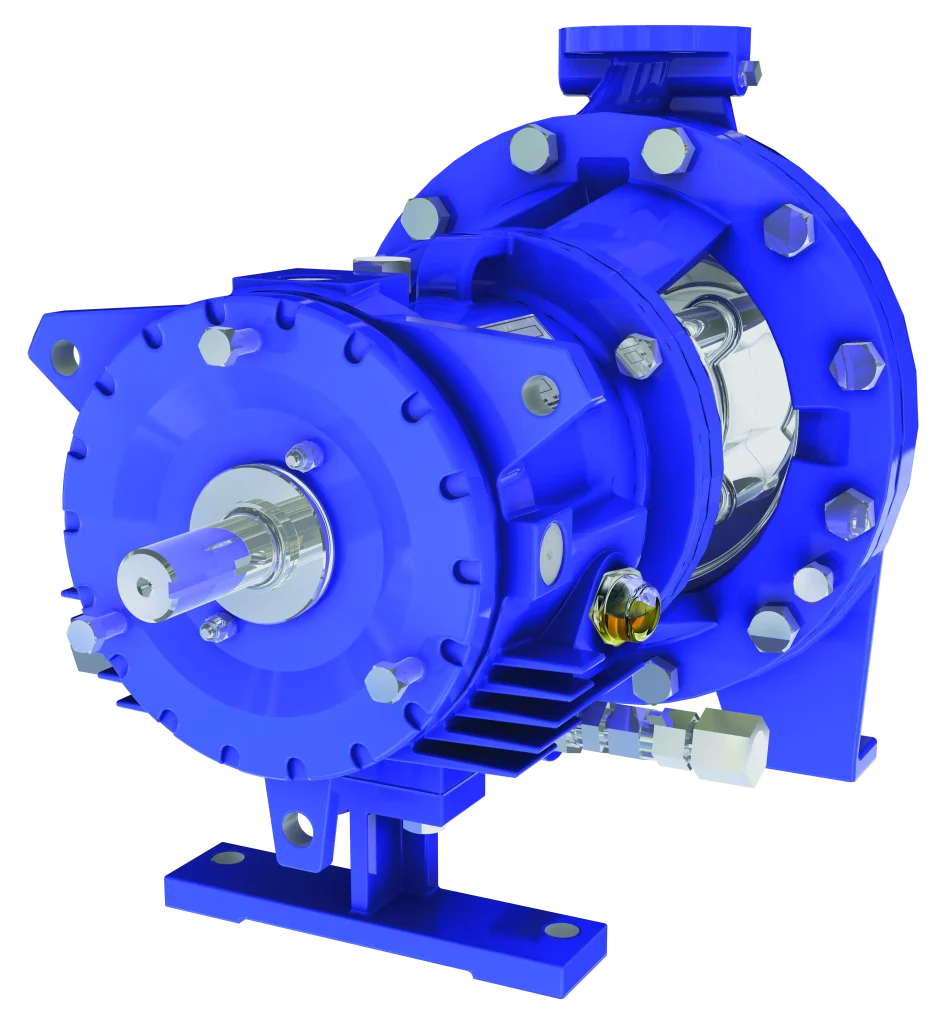
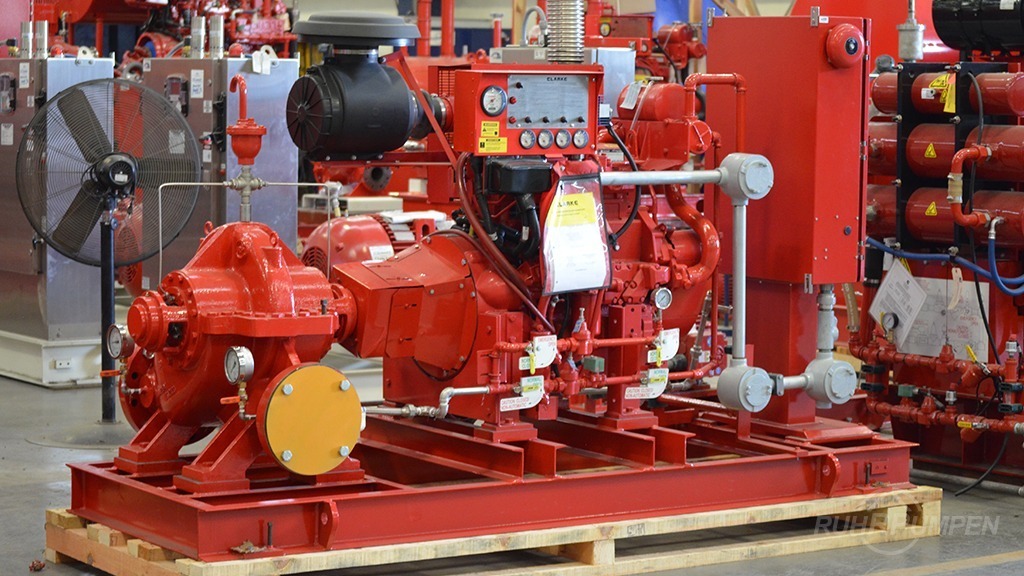
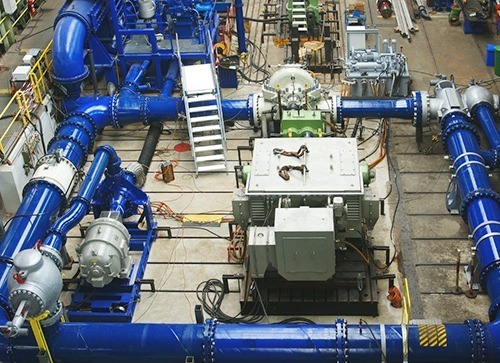
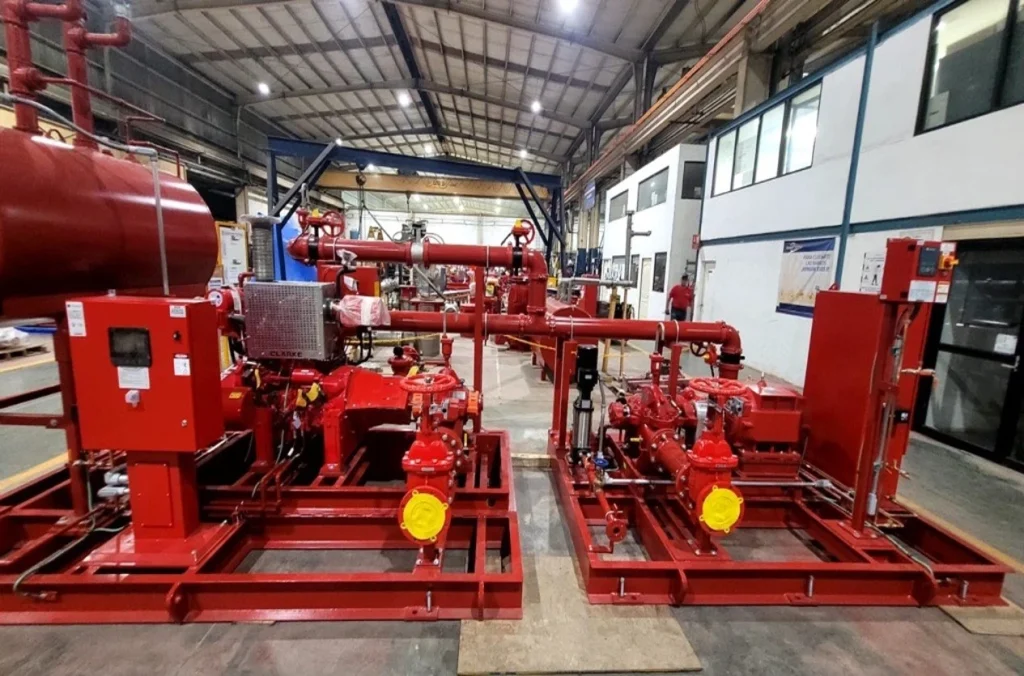
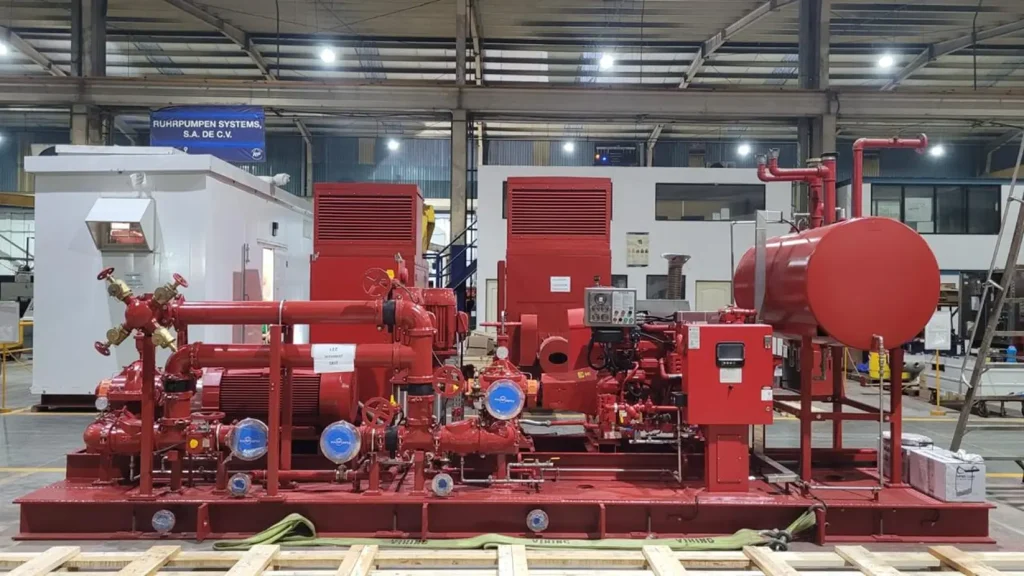
At the heart of the system are two HSC 8x14x21E (E) horizontal split case fire pumps. These pumps are designed for durability, high flow rates, and reliable operation in line with NFPA 20 and international fire safety standards.
- Duty Point: 681.4 m³/h @ 106.5 m of differential head
- One pump is electric-driven, featuring:
- A 400 HP motor operating at 1800 RPM (4 poles)
- CSA-approved, suitable for CSA Safe / UL Fire Pump area classifications
- Direct-On-Line (DOL) starting method
- TEFC enclosure, with IP55 protection
- Operating at 460 V / 60 Hz / 3 phase
- The second pump is diesel engine-driven, equipped with:
- A 455 HP engine rated at 1760 RPM
- EPA Tier 3 Certified, with UL/FM approval
- 230V-AC, 2000 Watt jacket water heater for cold-weather reliability
- 24 VDC electrical system
- NEMA 4X/IP66 316 stainless steel instrument panel, ensuring corrosion resistance and system integrity
Integrated Jockey Pump for System Pressure Maintenance
To maintain system pressure and reduce pump cycling, the package includes a vertical inline multistage jockey pump, either Grundfos or Ruhrpumpen CR model:
- Flow capacity: 6.0 m³/h @ 106 meters
- ANSI 32 discharge and suction connections
- 3.7 kW electric motor at 3461 RPM, 460 V / 3 Ph / 60 Hz
- TEFC motor enclosure
- Equipped with anti-condensation heater and thermostat for extended motor life

Prepackaged Pump House
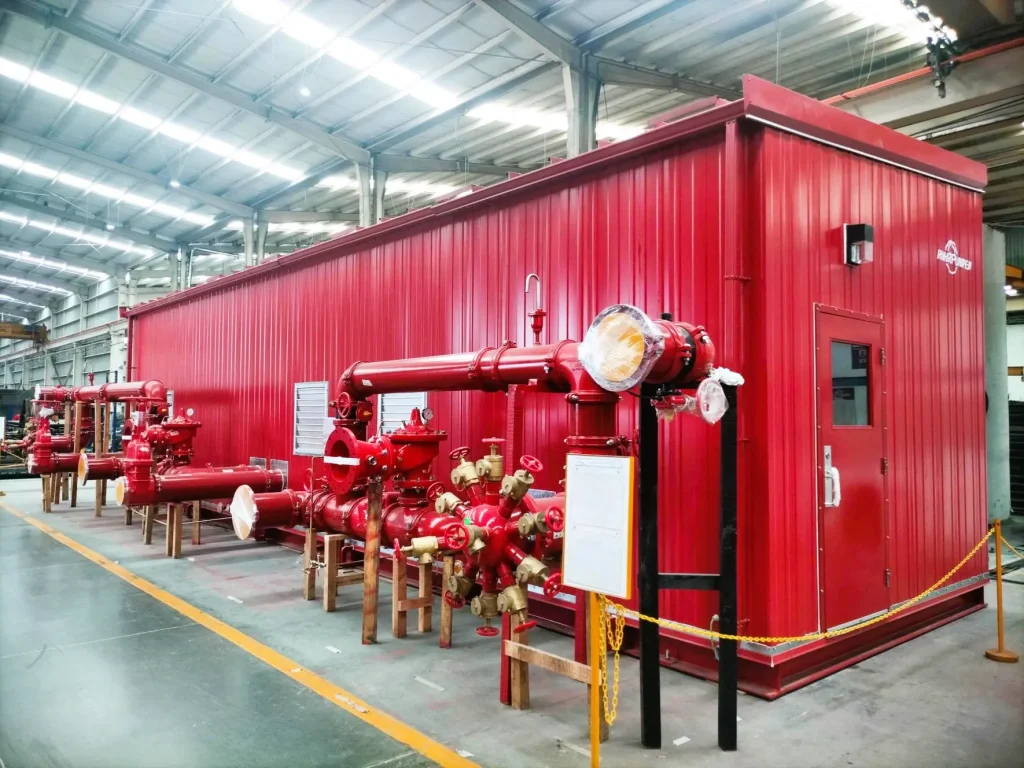
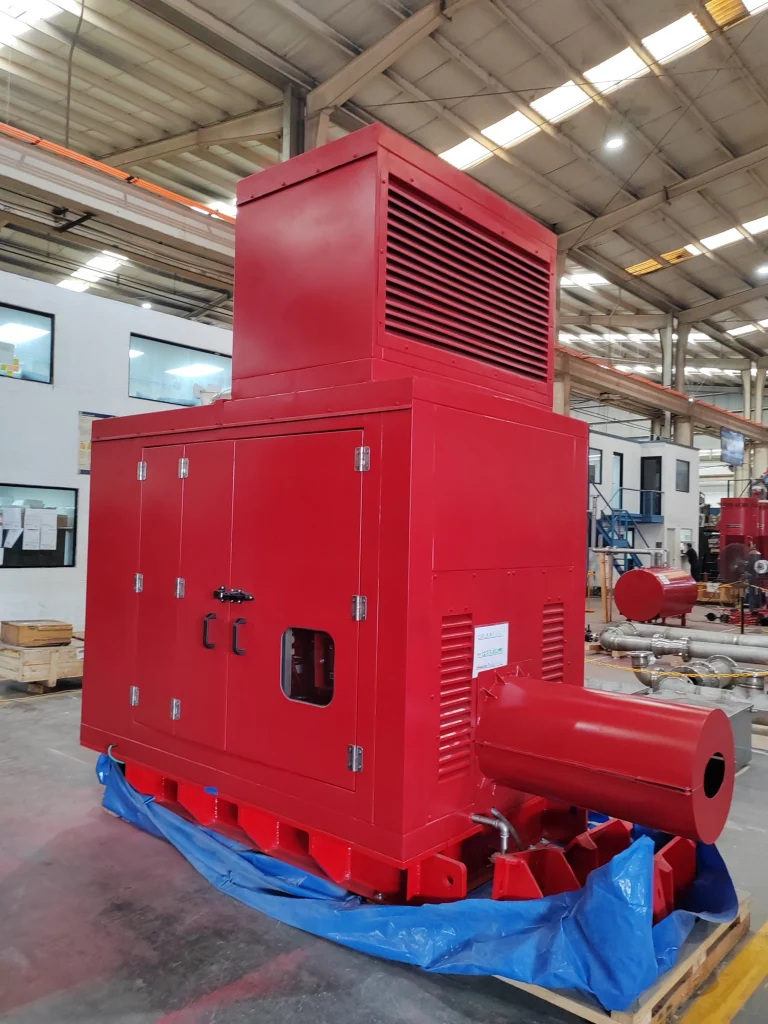
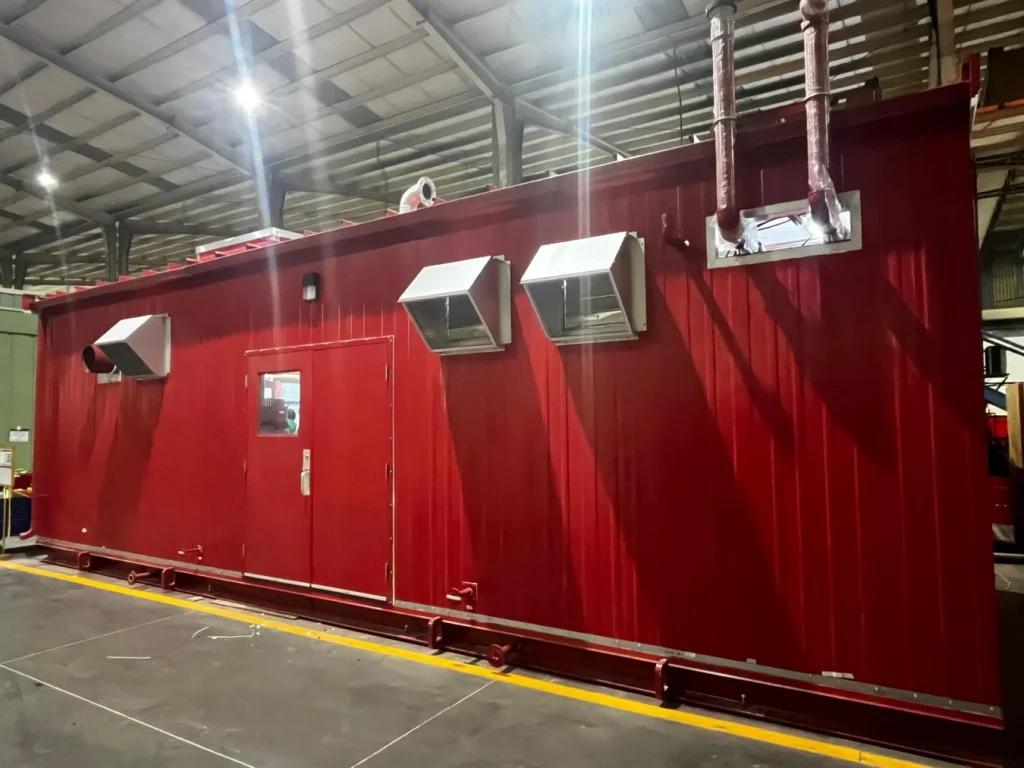
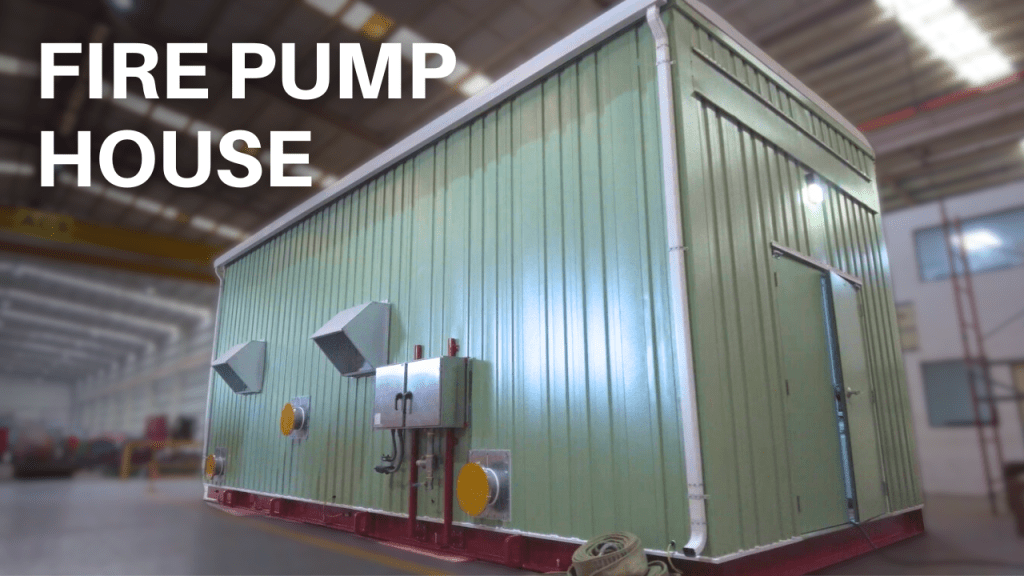
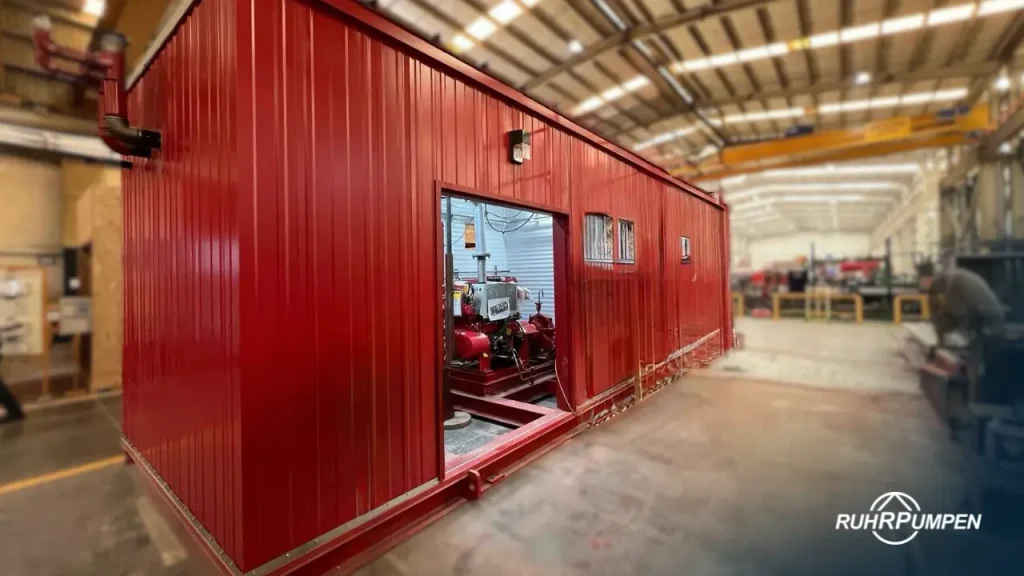
All components were delivered in a fully prepackaged fire pump house configuration, minimizing installation time and ensuring factory-assembled quality. While the specific structural details of the pump house are proprietary, this all-in-one solution includes pre-installed piping, electrical connections, and controls — greatly simplifying site integration and commissioning.

Serving a Leading Global Industrial Operator
The end user of this system is a global leader in industrial gases and chemical solutions, operating one of its key facilities in the Edmonton area. Known for supplying essential gases such as hydrogen, oxygen, and nitrogen to sectors including energy, refining, and manufacturing, this customer is recognized for its strict adherence to safety, operational uptime, and environmental standards.
Securing this project reflects Ruhrpumpen’s position as a trusted partner for high-profile industrial clients requiring dependable fire protection systems that meet exacting technical and regulatory requirements.


Are you looking for Fire Pumps and Systems to cover your pumping needs? Let Ruhrpumpen help solve your pumping demands.
Contact us now by clicking here.
Ruhrpumpen's Fire Campus: August 2025
Regular testing and preventive maintenance of fire pumps are essential to ensure safety in chemical facilities. NFPA 20, in conjunction with NFPA 25, requires that pumps be started and run at full speed at defined intervals to verify they are always ready for service. Weekly or monthly nonflow testing detects early signs of malfunction and confirms that pumps can respond effectively in an emergency, preventing small issues from escalating into serious hazards.

Routine inspections also help identify subtle performance degradations, such as a drop in net pump pressure, which may result from worn components, suction obstructions, or clogged impellers. Diesel engine–driven pumps require additional preventive measures, including checking engine temperature, oil, fuel, and cooling systems, ensuring that the pump can operate under maximum load conditions. Flowmeter tests and accurate monitoring of suction and discharge gauges further support reliable operation.

For chemical facilities, where stored substances can be highly flammable or reactive, these scheduled inspections and tests are the first line of defense. Maintaining detailed records of pump performance, maintenance actions, and operational parameters allows facility managers to act before failures occur.
Don’t wait for emergency, proactive testing and maintenance save lives, protect property, and ensure uninterrupted fire protection.
Ruhrpumpen's Spotlight: August 2025
At Ruhrpumpen, we take pride in safeguarding critical energy infrastructure around the world. One of our latest milestones is supporting the fire protection system of one of the most important LNG export terminals in the United States.
Strategically located in southeast Texas with direct access to the Gulf of Mexico, this facility will export approximately 13.5 million metric tons of LNG annually—a capacity that helps fuel global energy needs while supplying enough energy to power more than 27,000 homes each year.
A Complete Fire Protection Solution
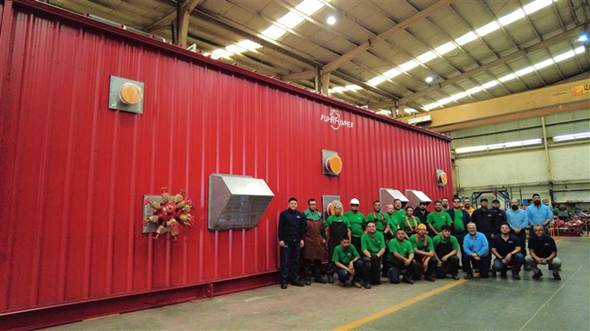
To ensure the highest level of safety, Ruhrpumpen is delivering a fully preassembled, ETL-certified pump house. At the heart of this system are two UL/FM-certified horizontal split case fire pumps (HSC 8x14x21E), each rated at 3,000 GPM. One unit is driven by an electric motor, while the other is powered by a high-performance diesel engine, guaranteeing redundancy and reliability. Supporting them is a CPP21 jockey pump rated at 60 GPM, designed to maintain system pressure and readiness at all times.

Meeting Unique Project Challenges
Every project comes with its own demands, and for this LNG terminal, the biggest challenge was meeting the customer’s requirement of 190 MPH wind load, Exposure Category C. Achieving this specification required close collaboration not only within Ruhrpumpen’s engineering team but also with our subvendor of panels, who modified the pump house panel structures to withstand such extreme conditions. This partnership ensured compliance without compromising quality, safety, or delivery timelines.
Built for Demanding Environments
This pump house goes far beyond standard configurations, integrating features that ensure operational continuity under extreme conditions, including:
- A double-walled diesel tank with flame arresters, overfill protection, and integrated alarms
- A roof hatch for safe and efficient pump and engine removal
- Full-length ice rakes for cold-weather readiness
- Seismic resistance and design for 190 MPH wind loads
- Integrated 5 kW unit heaters with thermostats for controlled internal climate
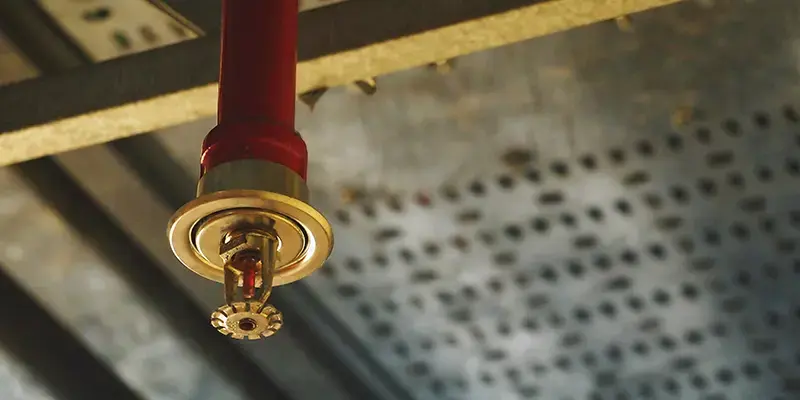
- An NFPA-13 compliant sprinkler system tailored for Extra Hazard Group 2 occupancy

Reliability You Can Trust
Engineered and manufactured to the strictest UL, FM, and ETL standards, this fire protection solution delivers more than equipment—it delivers peace of mind. With a system designed to perform in the harshest environments, Ruhrpumpen ensures that critical LNG operations remain protected, reliable, and resilient.
At Ruhrpumpen, powering safety is not just our mission—it’s our commitment to every customer, every project, and every community we serve.

At Ruhrpumpen, we believe that aligning technical capabilities with commercial strategy is key to delivering world-class pumping solutions. Recently, our North America Sales Team visited the Ruhrpumpen Systems factory as part of an initiative to strengthen collaboration between our commercial and engineering divisions.

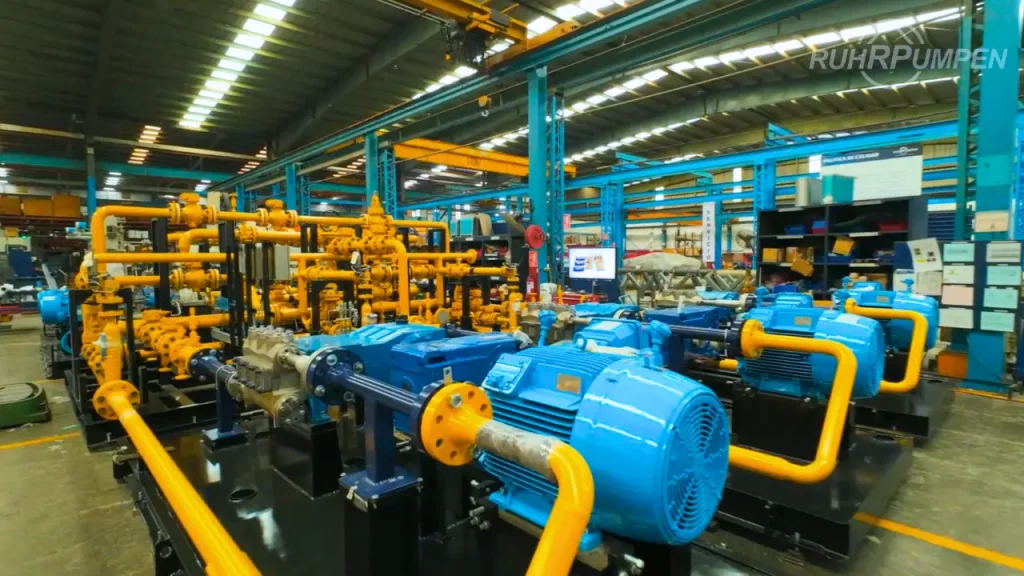
During the visit, the team had the opportunity to tour the Systems production facility, gaining valuable insight into the design, integration, and assembly of our fire pre-packaged pumping systems. This hands-on experience helps our sales professionals better understand the technical differentiators that set Ruhrpumpen apart in the global market.

The visit served as a platform for exchanging ideas, enhancing product knowledge, and discussing how to better address the complex needs of our customers through tailored solutions. By reinforcing the connection between field sales and system engineering, we aim to elevate our value proposition and ensure our teams are aligned from initial proposal to final delivery.

We thank our Sales Team for their continued commitment and enthusiasm. Their close engagement with our manufacturing capabilities is a critical part of our strategy to drive innovation, customer satisfaction, and sustainable growth.
Ruhrpumpen's Fire Campus: Summer 2025
NFPA 20, Standard for the Installation of Stationary Pumps for Fire Protection, offers the latest provisions to help ensure fire pump readiness and reliability. This standard offers the requirements for the installation of stationary fire pumps used to provide water supply for fire protection.

Designers, engineers, contractors, and installers can look to this standard for the latest up-to-date requirements for fire pump design, electrical and mechanical construction, acceptance testing, operation, and more.
Expert Instruction in Fire Protection Systems for Your Team.
When your team is responsible for the installation, testing, and maintenance (ITM) of stationary fire pumps, it’s important that they’re up to date with the latest standards. And when you invest in team training, you can improve business performance, increase profits, and retain your most talented employees. This training on NFPA 20, Standard for the Installation of Stationary Pumps for Fire Protection, takes your team through the experience of designing, installing, and testing a fire pump.
Key topics:
- Differentiating between fire pump types, applications, and characteristics
- Requirements for fire pump performance based on unit sizing, water supply, power supply, and additional factors
- Identifying and applying the requirements for the installation of fire pumps and peripheral equipment and construction and protection of fire pump enclosures
- The criteria for determining the appropriate components and system layout for a fire pump assembly
- Defining important terms and design considerations and referencing considerations for special project situations, such as high-rise buildings
- Locating and applying requirements for finalizing a fire pump installation, including acceptability testing, inspections, and documentation

NFPA 20 training can benefit anyone who makes decisions about stationary fire pumps and needs to be informed of the latest information for their work, including:
- Engineers, Designers, and Architects: To identify the appropriate fire pump to adequately supply water to a building’s sprinkler systems and the requirements for protecting it.
- Fire Marshals and Insurers: To increase knowledge of requirements and code compliance relating to fire, including plans review, acceptance testing and inspections, and ongoing ITM.
- Installers, Fire Protection Contractors, Sprinkler System Fitters, Sprinkler Technicians, and Project Managers: To learn requirements for installing fire pumps.
Find more information about our fire systems clicking here.
Ruhrpumpen's Fire Campus
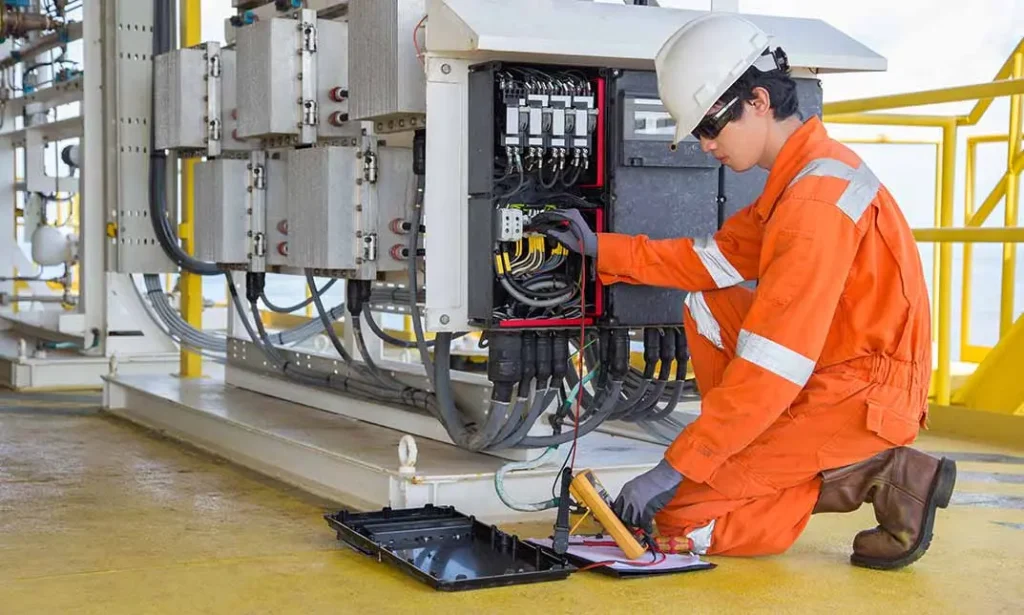
NFPA actively supports National Electrical Safety Month, an annual campaign sponsored by Electrical Safety Foundation International (ESFI), which raises awareness of potential home electrical hazards, the importance of electrical fire safety, and ensures the safety of electrical and non-electrical workers, each May. This year's campaign will focus on e-mobility, lithium-ion battery safety, and disaster safety.

For 2025, the campaign focuses on e-mobility, lithium-ion battery safety, and disaster safety. It provides resources on how to safely purchase, use, and recycle lithium-ion batteries, which are commonly found in devices like cell phones, laptops, and electric scooters. Additionally, it offers guidance on avoiding electrical hazards during natural disasters:
Statistics
- In 2019 – 2023 electrical distribution or lighting equipment, such as wiring, lighting, cords, and plugs, was involved in the ignition of an estimated average of 31,647 reported home structure fires per year. These incidents caused an estimated average 425 civilian deaths, 1,279 civilian injuries, and $1.6B in direct property damage annually.
- Electrical distribution or lighting equipment ranked first in direct property damage, and third among the type of equipment involved in the number of home fires, home fire deaths and home fire injuries.
- Electrical wiring equipment was involved in the ignition of 4 percent of all home fires and 6 percent of the deaths in those fires.
- Cords or plugs were involved in the ignition of 1 percent of home structure fires but six percent of the deaths in those fires. Most of these fires were associated with extension cords.
Safety Tips
- Have all electrical work done by a qualified electrician.
- When buying or remodeling a home, have it inspected by a qualified private inspector or in accordance with local requirements.
- Only use one heat-producing appliance (such as a coffee maker, toaster, space heater, etc.) plugged into a receptacle outlet at a time.
- Major appliances (refrigerators, dryers, washers, stoves, etc.) should be plugged directly into a wall receptacle outlet. Extensions cords and plug strips should not be used.
- Check electrical cords to make sure they are not running across doorways or under carpets. Extension cords are intended for temporary use.
Call a qualified electrician or your landlord if you have:
- Frequent problems with blowing fuses or tripping circuit breakers.
- A tingling feeling when you touch an electrical appliance.
- Discolored or warm wall outlets.
- A burning or rubbery smell coming from an appliance.
- Flickering or dimming lights.
- Sparks from an outlet.
Following these tips can help reduce the rate of fire accidents around the globe, especially the risk of electrical fire incidents in residential and industrial facilities.